The Destination
Zanskar Valley is one of the most isolated inhabited valleys in the Indian Himalayas, located in the southwestern part of Ladakh. It is famous for its extreme geography, ancient cliffside monasteries, and the winter Chadar Trek on the frozen Zanskar River. If Chamba is about temple heritage and accessible Himalayan scenery, Zanskar is about raw remoteness and high-altitude adventure.
Commercial tour itineraries often romanticize high-altitude endurance while glossing over severe weather hazards, road conditions, and strict physiological constraints. Here is what you actually need to know before attempting these experiences.
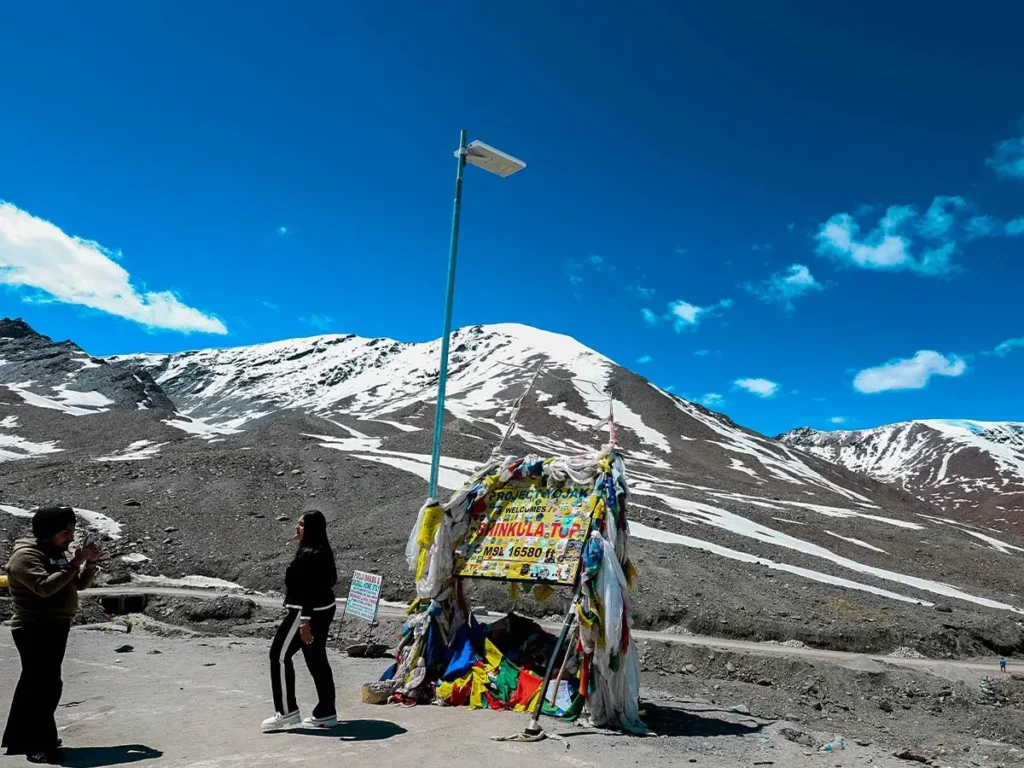
1. Drive Shinku La
- Marketing Claim: Cross the highest motorable pass on the Manali route in under 50 km of switchbacks and feel the rush.
- Honest Reality:
- Altitude Hazard: At 5,091 metres, oxygen levels are roughly half that of sea level. Lingering too long at the summit invites rapid-onset altitude sickness (AMS). Adhere strictly to a 15-minute maximum stop rule.
- Road Conditions: The ascent from Darcha features unpaved, loose gravel and steep, rugged switchbacks. A high-clearance 4×4 SUV is practically mandatory; standard low-slung sedans will struggle.
2. Trek to Phugtal Monastery
- Marketing Claim: A meditative, silent 6–7 km walk along the Lungnak River to a cliffside cave monastery.
- Honest Reality:
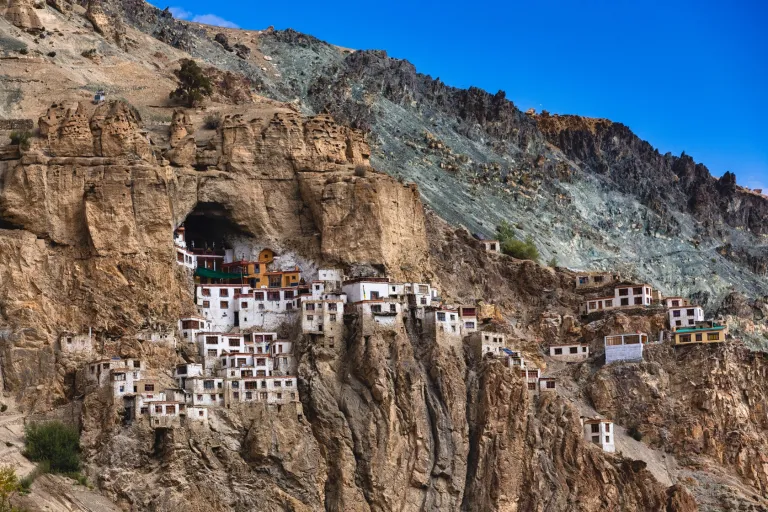
- Physical Demand: Starting at elevations exceeding 3,800 metres, the trail involves exposed cliffside sections, uneven stone steps, and steep ascents. It is a genuine 5-to-6-hour round-trip hike requiring solid trekking boots and proper acclimatization—not a casual stroll.
3. Camp Under Gonbo Rangjon
- Marketing Claim: The ultimate stargazing experience under a sky dense with stars at the foot of a sacred monolith.
- Honest Reality:
- Severe Night Cold: Even in peak summer, night temperatures at the 4,450-metre base regularly drop to freezing or below ( 0 to 5 deg Celcius), whipped by biting gorge winds. A -10 deg celcius rated down sleeping bag and windproof layers are mandatory.
- Zero Infrastructure: There are no permanent hotels or shops here; facilities consist strictly of basic seasonal tent sites and dry-pit toilets.
4. Stand at Pensi La and Look at Drang Drung
- Marketing Claim: A sweeping view of one of the longest visible glaciers in Ladakh from the Kargil-Padum highway.
- Honest Reality:
- Wind Tunnel: Pensi La (4,400 m) acts as a natural wind funnel. Intense, freezing gusts can drop the temperature rapidly even on sunny afternoons. Keep windproof jackets immediately accessible in your vehicle cabin.
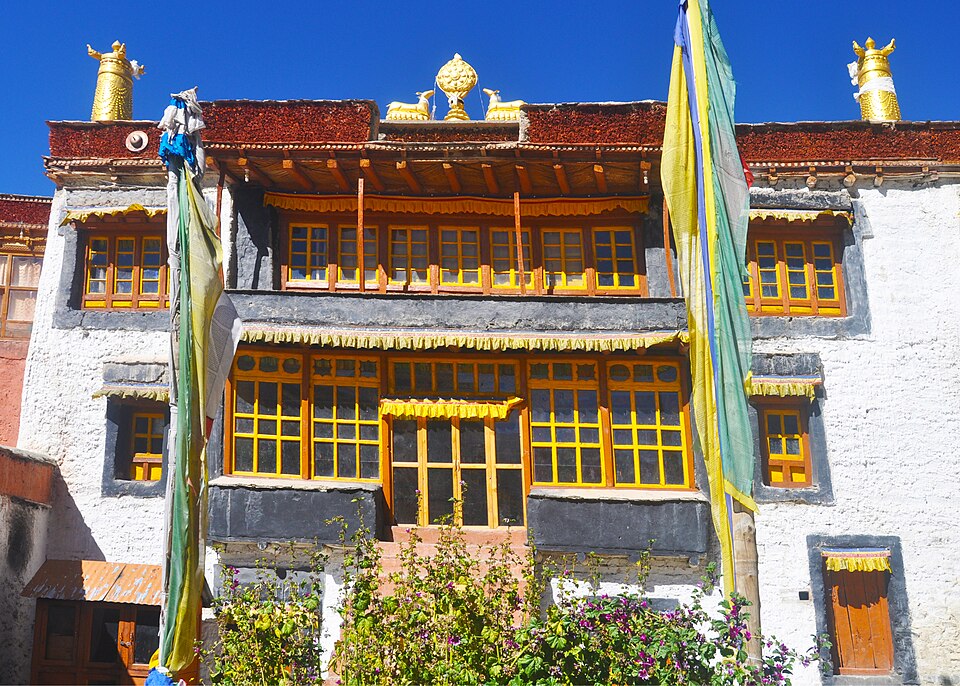
5. Attend Morning Prayer at Karsha
- Marketing Claim: Experience the powerful 7:00 AM puja with horns, drums, and low chanting in the hillside hall.
- Honest Reality:
- Steep Uphill Climb: Reaching the monastery assembly hall requires climbing a steep vertical slope of stone steps at over 3,500 metres. Pace yourself deliberately on the morning walk to avoid dizziness.
- Respectful Protocol: Arrive quietly, dress modestly, keep cameras put away during active puja, and ensure you have permission from the monks before entering inner prayer rooms.
6. Drive the Kashmir to Zanskar Route
- Marketing Claim: A dramatic landscape shift from lush Kashmir greens through the Suru Valley into stark Zanskari browns.
- Honest Reality:
- High-Pass Logistics: This multi-day route requires crossing Zoji La (notoriously prone to traffic jams, mudslides, and truck congestion) and navigating the rough, unpaved stretches of NH301 over Pensi La. Check BRO road status updates daily before committing.
7. Eat Dinner With a Zanskari Family
- Marketing Claim: Slow conversation, butter tea, and buckwheat rotis around a warm coal stove in a local homestay.
- Honest Reality:
- Authentic Living Standards: Village homestays (especially in remote spots like Purne) offer warm hospitality and hearty local food, but amenities are rustic. Expect shared or external dry-pit toilets, limited electricity/charging capabilities, and basic bedding.
8. Photograph Padum at Last Light
- Marketing Claim: Capture effortless, stunning compositions of the Stod river bend and Zanskar range around 6 to 7 PM in July.
- Honest Reality:
- Fading Light & Temperature Drops: Once the sun dips below the high surrounding ridges, evening temperatures drop almost instantly. Keep a warm fleece or jacket handy even if it felt warm during the afternoon shoot.
9. Ride the Full Zanskar Loop
- Marketing Claim: The ultimate two-week, eight-pass motorcycle circuit covering Manali, Shinku La, Padum, Pensi La, Kargil, Leh, and Sarchu.
- Honest Reality:
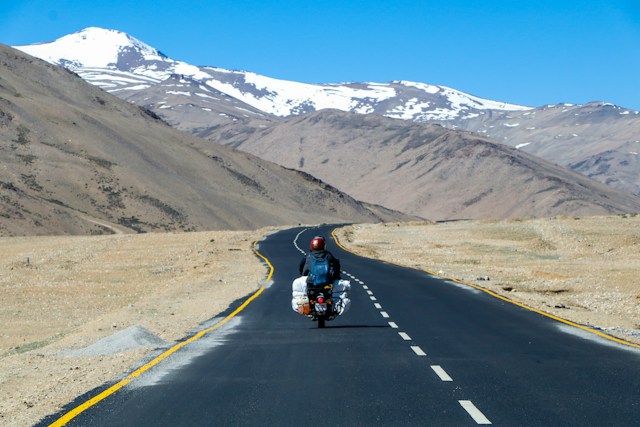
- Extreme Endurance Test: This is one of the most grueling high-altitude road loops in the world. Riders must carry a complete mechanical spares kit, puncture repair tools, extra fuel canisters, and heavy-duty cold/wet weather gear. Sudden mechanical breakdowns or altitude sickness in remote stretches can leave you hours away from formal assistance.
Highlights of Zanskar Valley
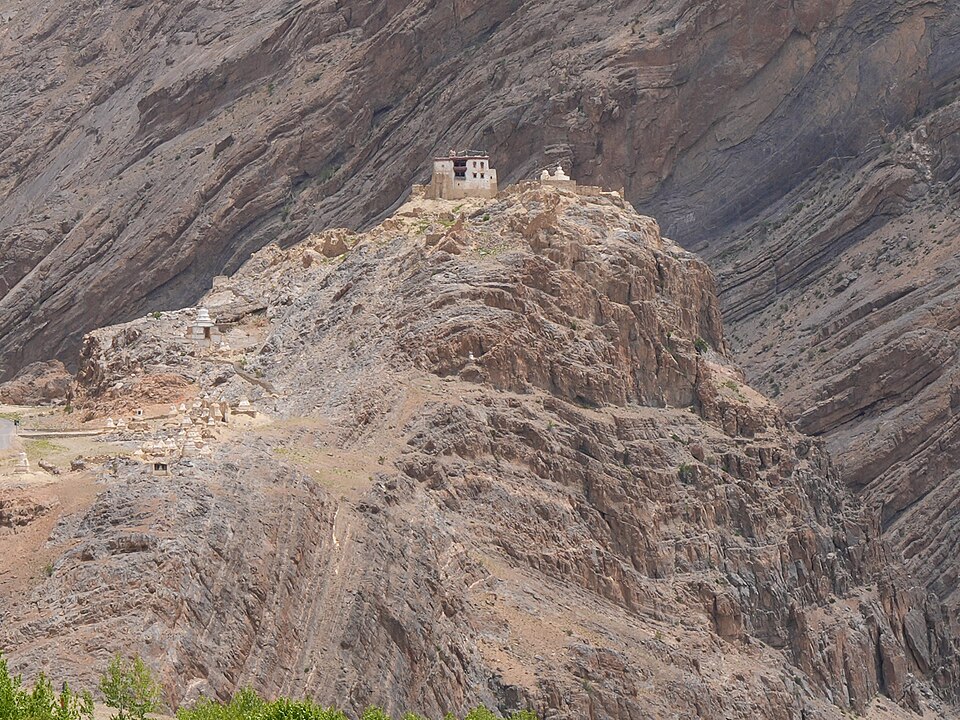
- Phugtal Monastery: The defining image of Zanskar. This honeycomb-like monastery is built directly into a cliff face over a cave. While it was historically a multi-day trek, road access now reaches near Purne, reducing the walk to roughly 45 minutes to 1 hour, making it feasible as a day trip from Padum.
- Chadar Trek (Winter Only): Between January and February, the Zanskar River freezes into a sheet of ice (“chadar”) that historically served as the only winter route in and out of the valley. Walking it is considered one of India’s most extreme treks. Note: The 2026 season was suspended in January because the river failed to freeze adequately, so check current conditions before planning.
- Drang Drung Glacier & Pensi La: If entering from Kargil, you cross the Pensi La pass (4,400m). From the road, you get a dramatic view of the Drang Drung Glacier, one of the largest in Ladakh, appearing like a frozen river winding through the mountains
- Gonbo Rangjon (God’s Mountain): A solitary, sacred peak revered by locals. If you take the newer route via Manali, this is a prime spot for camping under zero light pollution