The Destination
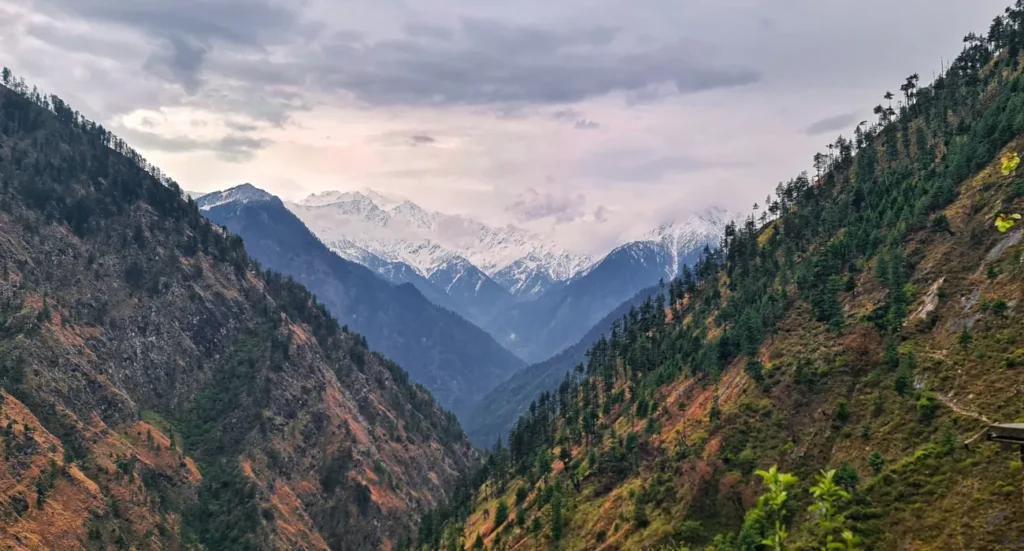
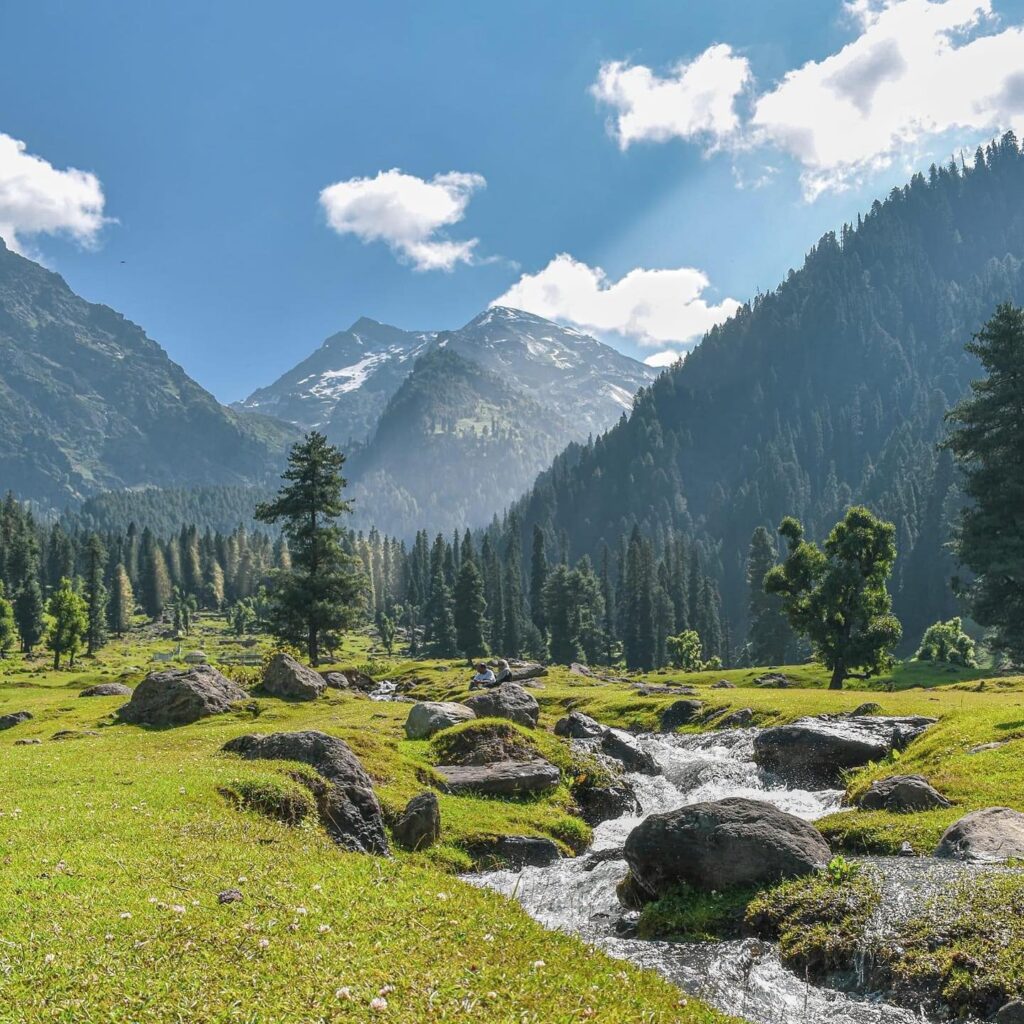
Kasol’s core appeal lies in its backpacker culture and cafe scene as its base, with the Parvati Valley’s trekking routes and villages as its extension. It’s not a traditional sightseeing destination; rather, it’s a place to slow down, use as a base for hikes, and soak in the valley atmosphere. If Chamba is about temple heritage and Sissu is about tunnel-accessible high-altitude landscapes, Kasol is about river valleys, Israeli-influenced cafe culture, and the backpacker atmosphere of the Parvati Valley.
Best Things to Do in Kasol: Practical Realities & Honest Framing
While standard travel blogs frame Kasol as a effortless paradise, many popular activities come with strict legal rules, environmental changes, and safety cautions that every traveler must know.
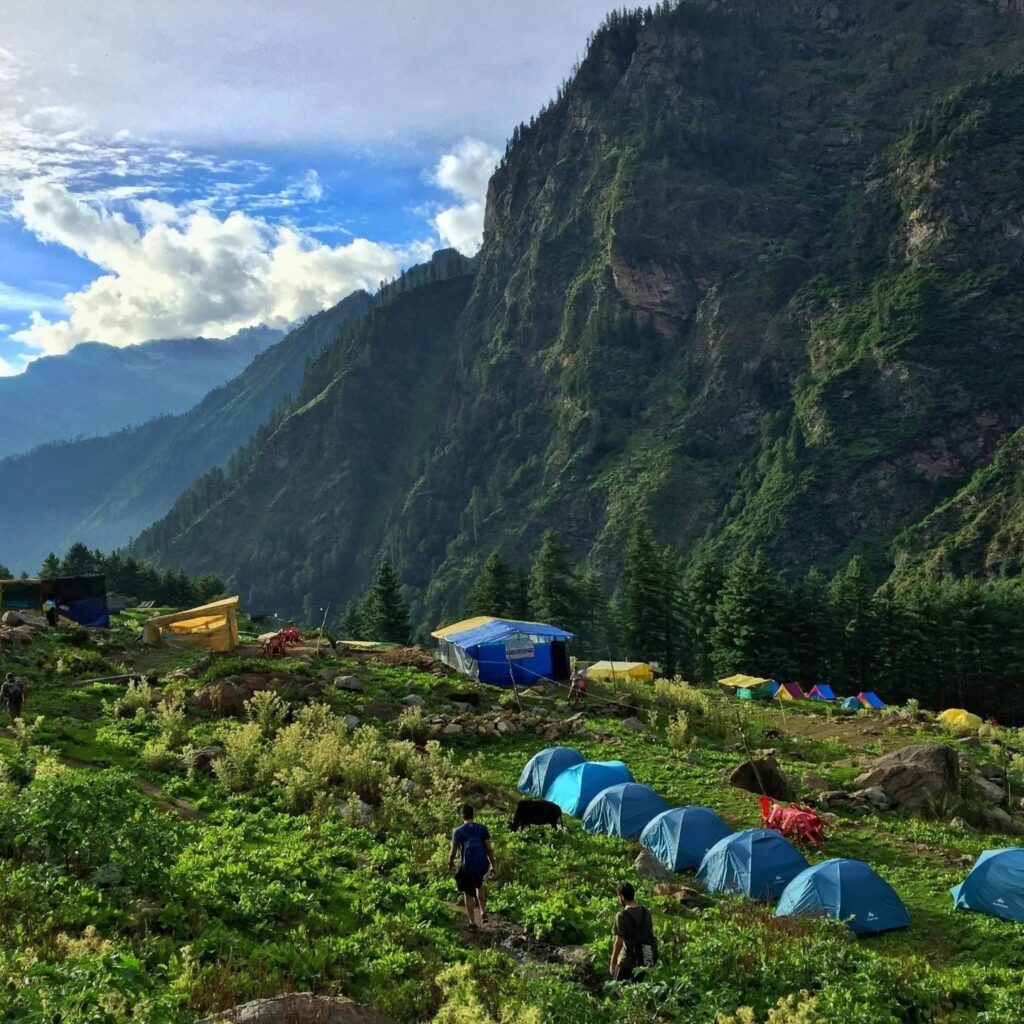
1. Trek to Kheerganga
- Marketing Claim: A gentle 4–5 hour hike to hot springs where you can camp overnight under the stars.
- Honest Reality:
- No Overnight Camping Allowed: Following a High Court directive, all tented camps, huts, and summit cafes were cleared in July 2024. Kheerganga is now strictly a day trek. You must arrive before 10 AM and start descending by 2 PM.
- Physical Demand: Walking ~12–14 km up and ~12–14 km down in a single day (24–28 km total) with a tight turnaround time is a long, grueling physical challenge, not a casual stroll.
- Managed Hot Springs: The open-air communal pool no longer exists; bathing is now done inside a covered, managed facility with segregated sections for men and women.
- Zero Food at Top: You must carry all your own food and water, as there are no longer eateries operating at the summit.
2. Chill by the Parvati River
- Marketing Claim: Recline on boulders and find pure inner peace.
- Honest Reality:
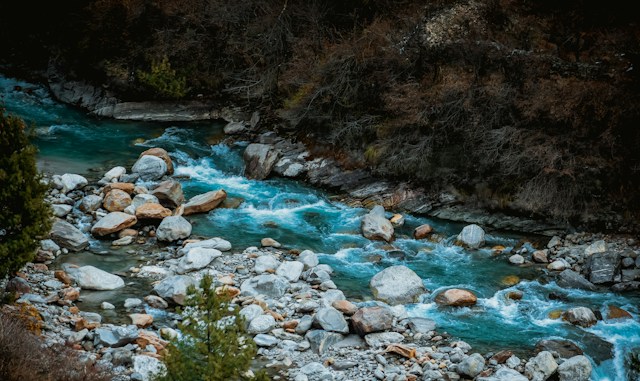
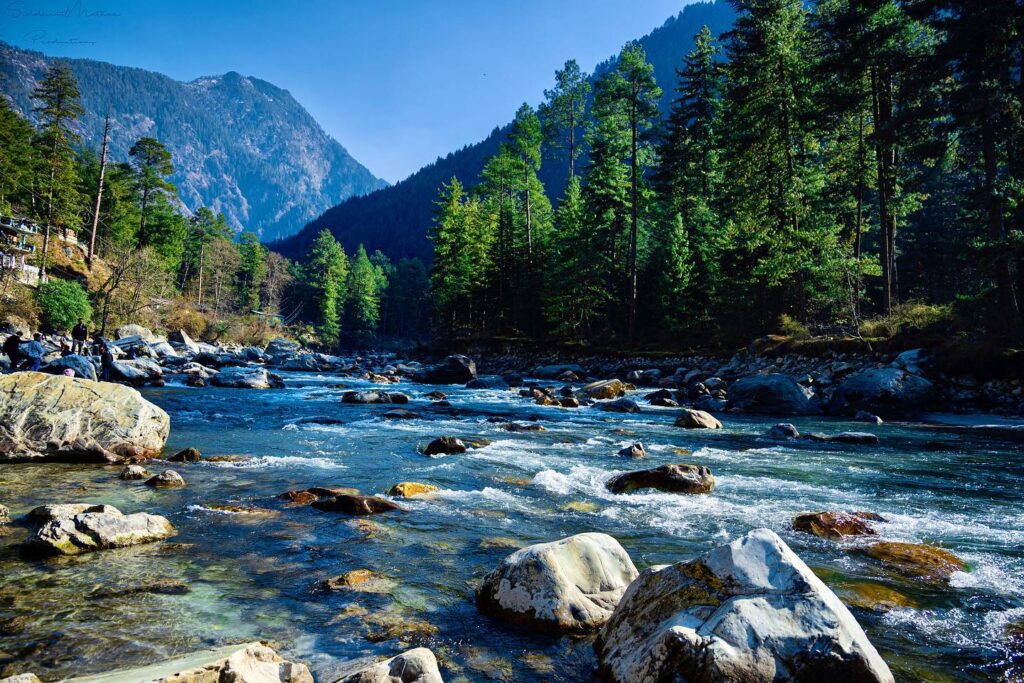
- Extreme Safety Hazard: The Parvati River is freezing glacial melt with deceptively fast, turbulent currents. Slipping off a wet boulder or attempting to swim can quickly turn fatal.
- Monsoon Danger: During the monsoon season (July–September), water levels rise unpredictably and the river becomes extremely violent.
- How to Enjoy Safely: Stick to designated banks near Kasol Nature Park or the Chalal suspension bridge, keep a safe distance from high-velocity currents, and never step onto slippery, water-smoothed rocks in deep water sections.
3. Visit Israeli Cafés
- Marketing Claim: Seamless cafe-hopping with great food and tranquil mountain vibes.
- Honest Reality:
- Peak Season Crowds: On busy weekends and summer months (May–June), Kasol’s main strip gets overwhelmed by traffic jams, long waits, and loud crowds, stripping away the “tranquil” feel.
- Food Realities: Food is generally good (especially shakshuka, schnitzel, and falafel), but service can be slow during peak hours.
- Best Approach: Visit early in the morning before tourist crowds wake up, or head across the river bridge to quieter cafes in Chalal.
4. Camp Under the Stars
- Marketing Claim: Set up a riverside tent with bonfires and stargazing anywhere you like.
- Honest Reality:
- Strictly Regulated: You cannot pitch personal tents randomly on the riverbanks due to flood risks, forest conservation laws, and local restrictions.
- Authorized Sites Only: Always use registered, established commercial campsites that have proper waste management and safety infrastructure. Unregulated riverside camping poses serious security and environmental hazards.
5. Visit Manikaran Sahib
- Marketing Claim: A quick, tranquil detour for hot springs and langar.
- Honest Reality:
- Heavy Congestion: Located just 4 km up the narrow valley road from Kasol, Manikaran is a major pilgrimage center. Road traffic between Kasol and Manikaran routinely grinds to a absolute standstill during weekends and festival seasons.
- Cultural Etiquette: This is a active, revered holy site, not a casual tourist stop. Cover your head at all times, remove shoes, dress modestly, do not carry alcohol/tobacco anywhere near the complex, and treat the Langar (community kitchen) with quiet respect.
Highlights of Kasol
- Kheerganga Trek: The most classic trek in the Parvati Valley, starting from Barshaini (about 18 kilometers from Kasol), approximately 12 kilometers one way, taking 4-5 hours. The endpoint is a natural hot spring at an altitude of about 3050 meters, where you can soak in the hot spring while enjoying the snow mountain views—an experience many consider worth the journey . Note that camping policies at the summit have become stricter in recent years, and some sources suggest confirming with local authorities or registered operators whether day hiking is required .
- Manikaran Sahib: About 4 kilometers from Kasol, an important Sikh pilgrimage site. The natural hot springs here are believed to have healing properties, and the gurdwara provides free langar (community meal) to all visitors. A highly distinctive detail: rice and other foods are cooked directly using the natural boiling spring water . Dress modestly and cover your head when entering .
- Chalal Village: A very easy riverside forest walk from Kasol, about 30 minutes one way. Quieter than Kasol, with several small cafes and riverside guesthouses, making it a great choice for a relaxed first day or a slow morning .
- Cafe Culture: Kasol is known as “Little Israel in the Himalayas,” with a strong Israeli influence in its food scene. The main street is lined with cafes serving shakshuka, hummus, falafel, and wood-fired pizza, as well as German bakeries . Sitting by the river with a cup of coffee and watching the pine forests across the valley is one of Kasol’s signature experiences .
- Tosh Village: About 20-21 kilometers from Kasol, requiring a drive plus a short walk. Located at the road’s end in the Parvati Valley, it offers panoramic mountain views and a quieter atmosphere than Kasol, suitable for a day trip or an overnight stay .