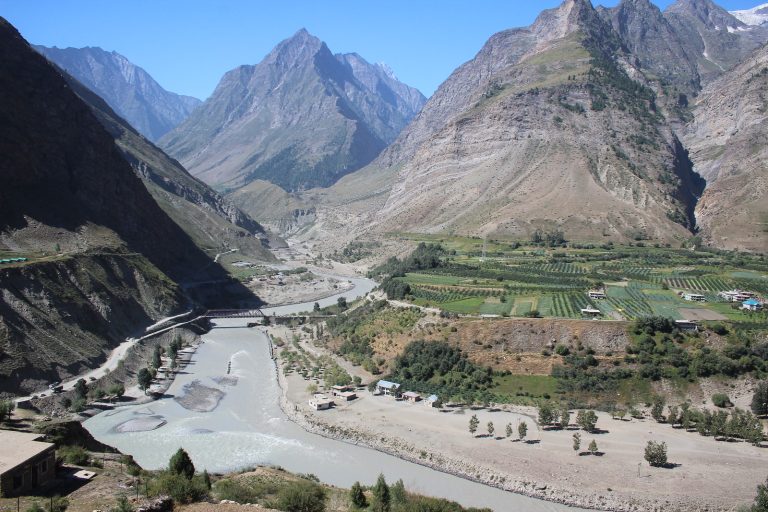
Rohtang Pass is a place where myth, memory and the mountains come together.
Local traditions offer different stories about how this dramatic Himalayan gateway came into existence. In Kullu folklore, it is believed that Lord Shiva created the pass, opening a pathway between the Kullu and Lahaul valleys. In Lahaul tradition, the creation of the pass is associated with Gyapo Gyasar, the legendary king of Western Tibet. These stories reflect the deep spiritual and cultural connection that Himalayan communities share with the landscape.

What does “Rohtang” mean?
The name Rohtang carries a much darker story. It is commonly understood in local tradition as “a heap of dead bodies” or “pile of corpses.” Historical accounts connect this name with the pass’s notoriously unpredictable weather, heavy snowfall, blizzards and avalanches, which made crossing the mountains extremely dangerous for travellers in earlier times. The Government of Himachal Pradesh also records the traditional meaning as “a heap of dead bodies.”
Yet, behind this haunting name lies a remarkable story of human courage and endurance. For centuries, people crossed this formidable mountain route to connect Kullu with Lahaul and the regions beyond. Today, Rohtang stands not merely as a reminder of the dangers faced by earlier travellers, but as a symbol of the enduring relationship between people and the Himalayas.
“Rohtang — where every mountain carries a legend, and every journey carries a story.”