The Destination
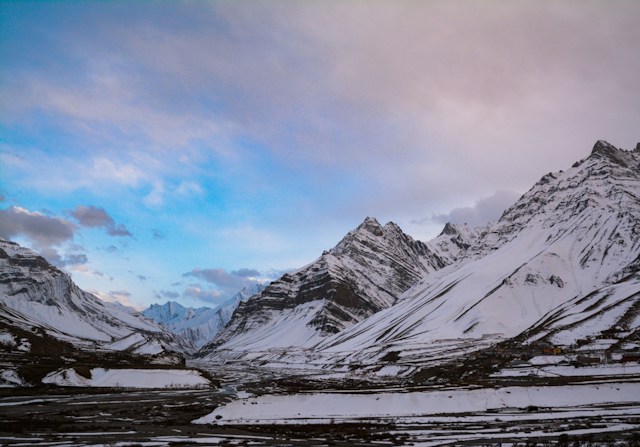
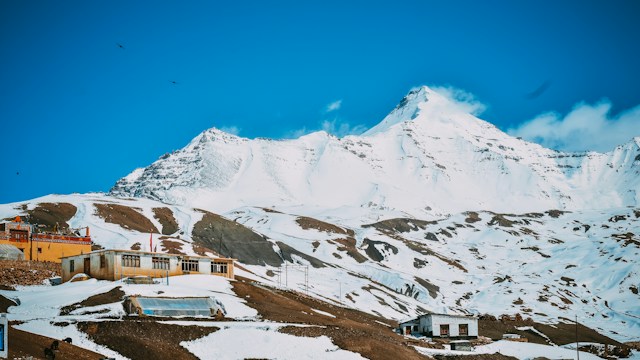
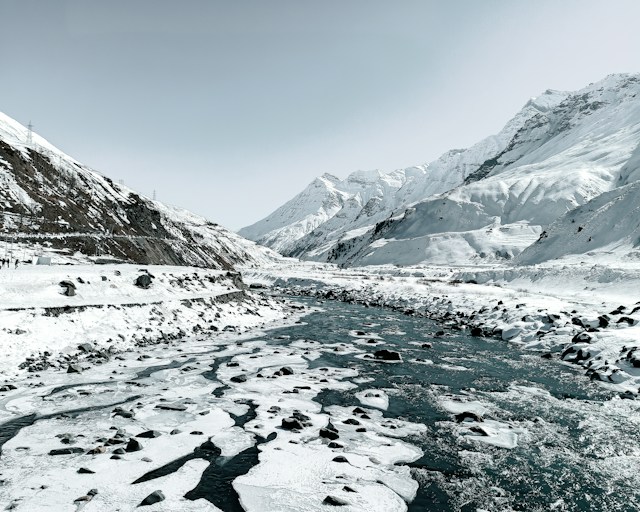
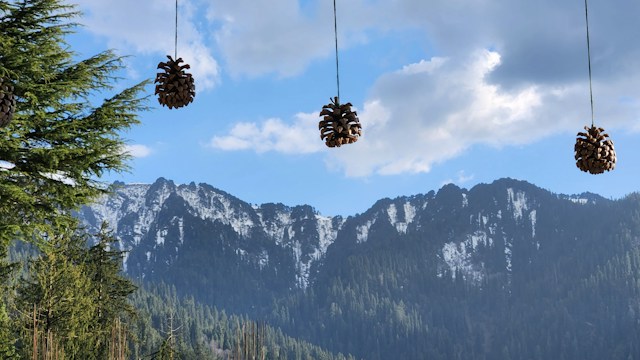
Spiti Valley is a cold desert mountain valley in Himachal Pradesh, famous for its rugged landscapes, ancient monasteries, high-altitude villages, and clear blue skies. Its unique terrain and Tibetan-Buddhist culture make it one of the most distinctive travel destinations in the Indian Himalayas.
Best Things to Do in Spiti Valley
1. Drive the Spiti Circuit
Connecting the Shimla–Kinnaur side to the Manali–Lahaul side, this overland circuit crosses extreme elevation changes, river crossings, and rugged terrain across the Trans-Himalayas.
- What makes it special: The changing landscape—transitioning from the lush forests of Kinnaur to the stark, cold-desert canyons of Spiti—makes it one of the most dramatic drives in Asia.
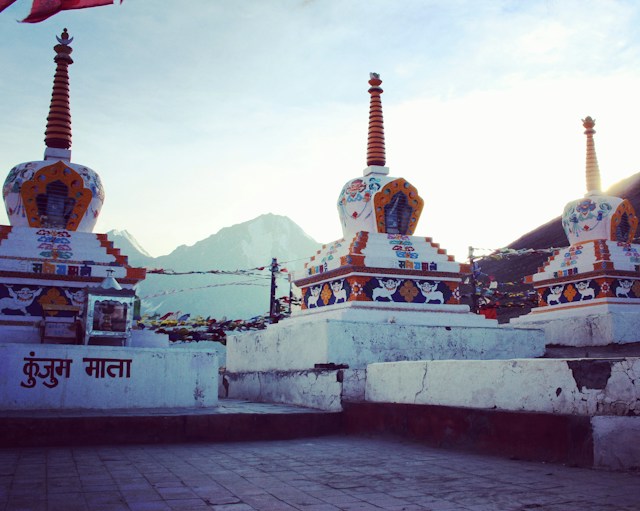
- The Honest Reality: Calling it a “breathtaking road trip” leaves out how rough it is. The stretch between Kaza, Kunzum Pass, and Gramphu consists largely of unpaved dirt tracks, dry riverbeds, and severe water crossings (paggals nallahs). Expect long, physically draining hours in a vehicle.
- Pro-Tip: Drive it clockwise (Shimla to Kaza to Manali) for a gradual altitude increase that helps your body acclimatize safely.
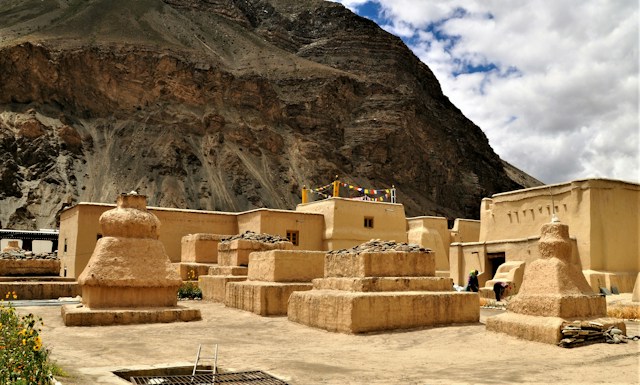
2. Visit Ancient Monasteries (Key, Tabo, Dhankar)
Spiti’s spiritual spine consists of centuries-old Tibetan Buddhist monasteries perched on cliff edges and valley floors.
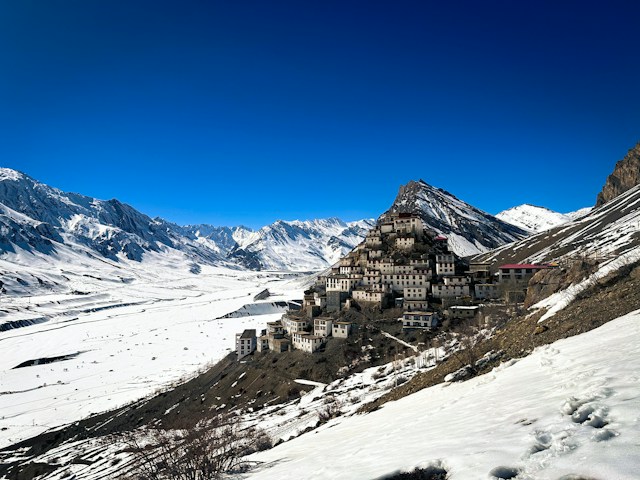
- What makes it special: Tabo holds thousand-year-old indoor frescoes (996 CE), Dhankar sits precariously over a sheer cliff spur above a river confluence, and Key rises like a stacked medieval hill fort.
- The Honest Reality: These are living sacred spaces and places of daily worship, not mere tourist attractions. Photography is strictly prohibited inside the ancient mud-wall assembly rooms at Tabo to protect organic dyes.
- Pro-Tip: Plan visits around early morning prayers (6:30 AM – 7:00 AM) at Key or Tabo for a quiet, authentic experience.
3. Chandratal Lake Camping
A high-altitude, crescent-shaped Ramsar wetland sitting at roughly 4,300 metres beyond Kunzum Pass.
- What makes it special: Shimmering waters that shift dynamically between turquoise, steel blue, and deep green set against bare alpine peaks.
- The Honest Reality: You cannot camp directly on the lake shore—shore camping was banned years ago to protect the delicate wetland ecosystem. All authorized tented camps are set up 2 to 3 km away near the roadhead, requiring a 15-to-20-minute walk to the water. Night temperatures drop below freezing even in summer.
- Pro-Tip: Skip a rushed same-day round trip from Manali. Stay one night at the authorized camp area to see the lake in the calm morning light.
4. Send a Postcard from Hikkim
A tiny high-altitude hamlet (~4,400m) home to a world-famous, functional India Post branch office.
- What makes it special: Writing and mailing a postcard from the “World’s Highest Post Office” to yourself or family back home.
- The Honest Reality: Hikkim is a 30-to-45-minute stop on a high-village loop, not an all-day destination. Mail travels by foot and road across mountains; domestic cards take 1 to 4 weeks, while international mail can take over a month.
- Pro-Tip: Bring your own pen, use waterproof ink, and pair Hikkim with nearby Langza and Komic on the same morning from Kaza.
5. Experience Homestay Life
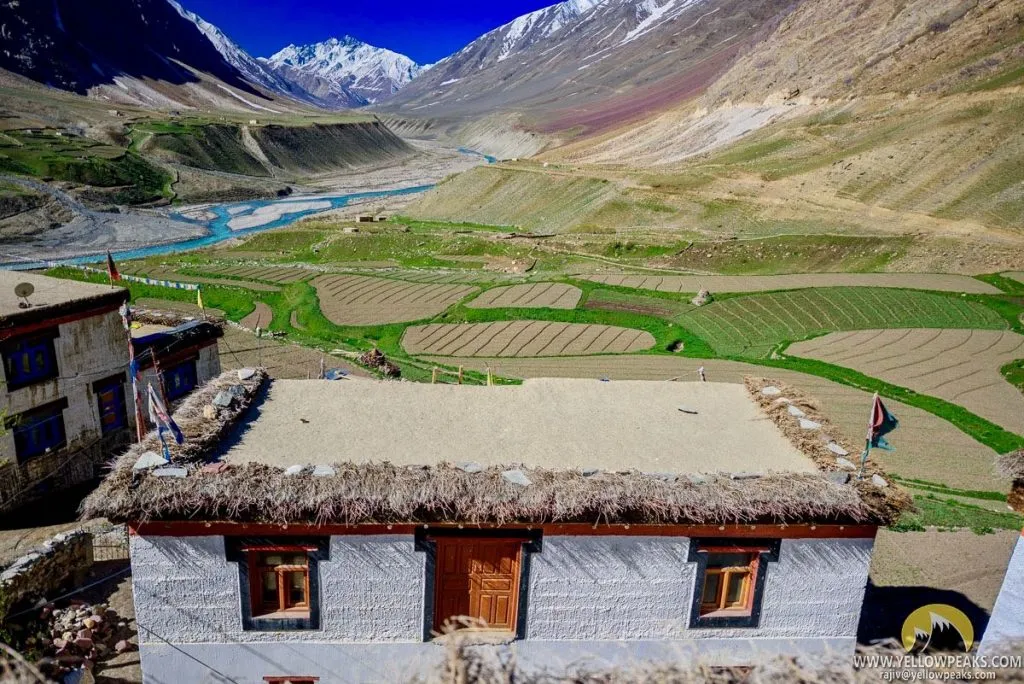
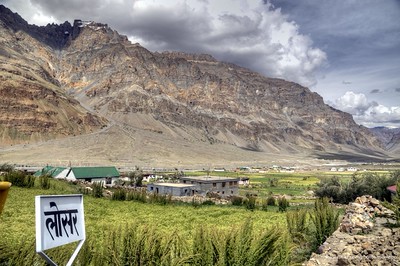
Staying with local Spitian families in villages like Mud, Kibber, Langza, or Losar.
- What makes it special: Experiencing genuine high-mountain hospitality, warm family kitchens around a central bukhari wood stove, and traditional home-cooked food (skyu, thukpa, butter tea).
- The Honest Reality: Facilities are modest and rustic. Expect dry squat toilets or basic shared bathrooms, bucket hot water on request, thin oxygen at 4,000+ metres, and limited insulation.
- Pro-Tip: Carry a high-rating sleeping bag or request extra heavy wool quilts in shoulder months (May, September, October).
6. Look for Snow Leopards in Pin Valley & Kibber
Tracking the elusive “Grey Ghost of the Himalayas” in the Kibber Wildlife Sanctuary or Pin Valley National Park.
- What makes it special: A rare opportunity to spot wild snow leopards, Siberian ibex, and blue sheep in their natural high-altitude winter habitat.
- The Honest Reality: This is not a casual summer activity. Snow leopard expeditions happen almost exclusively in sub-zero winter months (late November to February) and require specialized 7-to-10-day treks with local spotters in temperatures reaching -20°C to -30°C.
- Pro-Tip: Summer day trips into Pin Valley offer scenic green landscapes and remote villages, but you will not see snow leopards during peak tourist season.
7. Examine Marine Fossils in Langza
Langza sits at 4,400 metres under the shadow of Chau Chau Kang Nilda peak, surrounded by high slopes containing ancient marine fossils (ammonites).
- What makes it special: Evidence that the Spiti valley floor was once part of the ancient Tethys Ocean millions of years ago.
- The Honest Reality: Do not excavate, buy, or take fossils home. Under Indian law and local regulations, removing or purchasing marine fossils from Langza is illegal.
- Pro-Tip: Look for fossils in the rock slopes, photograph them where they lie, and leave them intact for the local ecosystem and future visitors.
8. Venturing Through Atal Tunnel (Winter & Year-Round Access)
The 9.02 km engineering landmark under Rohtang Pass connecting Kullu Valley directly to Lahaul Valley.
- What makes it special: Provides reliable year-round access into Lahaul, bypassing the hazardous Rohtang Pass drive.
- The Honest Reality: The Atal Tunnel gets you to Lahaul (Sissu/Keylong)—it does not connect directly to Spiti in winter. The high gateway between Lahaul and Spiti (Kunzum Pass) remains blocked by heavy snow for roughly 7 months a year. When Kunzum Pass is closed, the only way into Spiti is via Shimla and Kinnaur.
Pro-Tip: Use the Atal Tunnel during summer months to dramatically shorten the drive from Manali toward Kunzum Pass and Kaza.
Highlights of Spiti
- Famous for cold desert landscapes
- Home to Key Monastery and ancient Buddhist sites
- Known for high-altitude villages like Kaza and Kibber
- Ideal for trekking, road trips, and photography
- Offers spectacular mountain and night-sky views