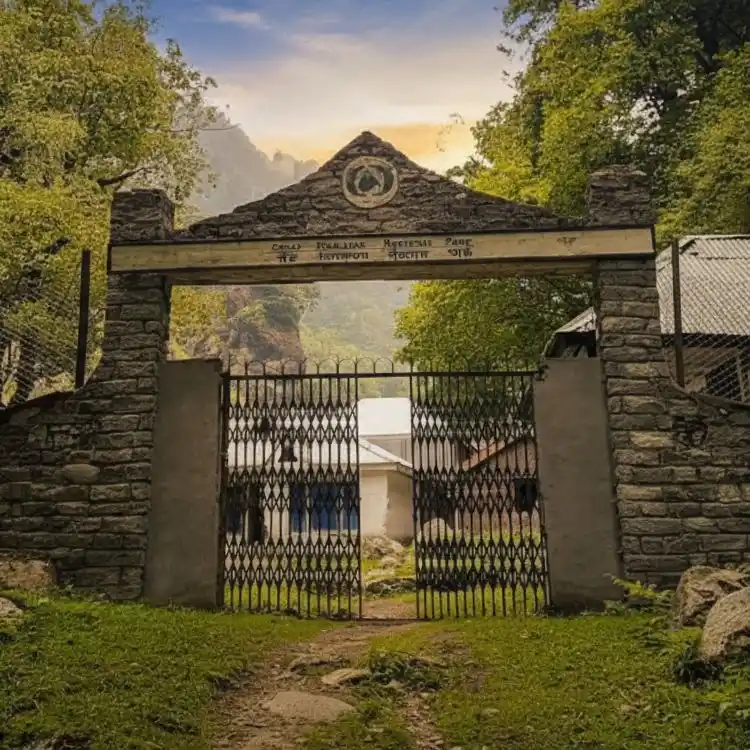
Inscribed as a UNESCO World Heritage Site in 2014, the Great Himalayan National Park (GHNP) protects a massive 1,171 sq km conservation area encompassing the glacial headwaters of four major rivers: the Tirthan, Sainj, Jiwa Nal, and Parvati. With ridge peaks soaring past 6,000 metres, GHNP is an unpaved, roadless wilderness with zero jeep safaris or motor vehicles inside its borders.
Key Highlights & Character
- Pure Wilderness Protection: Motorized transport stops strictly at the park edge (e.g., Gushaini in Tirthan Valley or Neuli in Sainj Valley). Every kilometer beyond the gates is covered entirely on foot.
- The Ecozone vs. Core Zone:
- The Ecozone/Buffer Walk: The accessible, ideal way for most travelers to experience GHNP—gentle day walks from Gushaini to the Ropa gate, or forest hikes around Sainj and Shangarh while based in riverside homestays.
- The Core Interior: Multi-day high-altitude expeditions (such as routes to Rolla, Shilt, Tirath, or Sara Umga Pass) requiring registered guides, porters, camping gear, and formal permits from the Forest Department.
- Rich Biodiversity: Home to dense alpine flora, brown bears, snow leopards, Western Tragopans, and hundreds of Himalayan bird species.
Understanding the Park Boundaries
- National Park Core: ~754.4 sq km (notified in 1999).
- UNESCO World Heritage Inscription: ~905 sq km (incorporating Sainj and Tirthan Wildlife Sanctuaries).
- Total Conservation Area: ~1,171 sq km (including the 265 sq km Ecozone buffer belt).
Travel Details & Recommendations
- Recommended Duration:
- 2 to 4 nights based in a buffer village (Gushaini or Shangarh) for casual day walks, local food, and nature immersion.
- 4 to 9 days for serious multi-day wilderness treks deep into the core zones.
- Access Points:
- Tirthan Entry: Via Gushaini / Ropa gate.
- Sainj Entry: Via Neuli / Shangarh.
- Jiwa Nal Entry: Via Siund.
- Parvati Valley Entry: Via Barshaini.