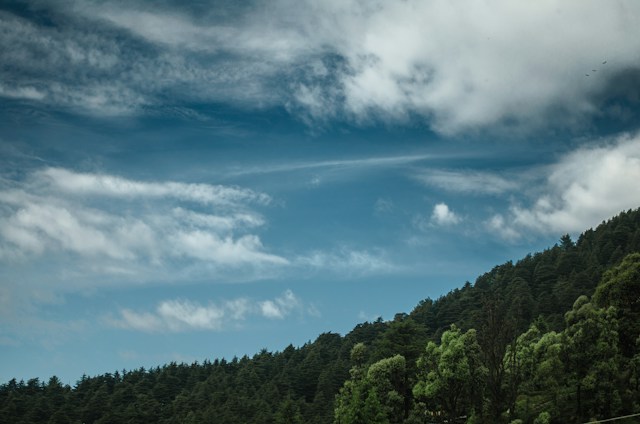
Perched on a quiet ridge just uphill from McLeod Ganj at an elevation of roughly 2,100 metres (6,890 ft), Dharamkot Click to open side panel for more information has evolved from a sleepy Gaddi shepherd hamlet into an international hub for yoga, meditation, acoustic music, and alpine trekking. Unlike the commercial congestion of McLeod Ganj’s central square, Dharamkot offers a relaxed, village-style atmosphere set against dense pine forests and the looming granite walls of the Dhauladhar range.
Key Highlights & What Makes It Special
- The Gateway to Triund: Dharamkot sits at the literal starting threshold for major hiking routes up the Dhauladhar range, including the popular trail to Triund Hill and Indrahar Pass.
- Alternative Wellness Hub: The village is packed with holistic study centers offering drop-in yoga classes, meditation courses, sound healing, and vegan/organic cafes catering to long-term travelers.
- Car-Free Upper Lanes: The upper parts of the village are entirely pedestrian, keeping the inner pathways free of heavy traffic and filled with the sound of wind through towering deodars.
Essential Things to Do
1. Launch the Triund or Galu Devi Hike
- The Mountain Staging Ground: Walk up past Galu Devi temple to begin your trek toward Triund ridge. Because you are already starting at a higher elevation than McLeod Ganj, it saves you a mile of steep road walking.
- Pacing Reality: While the walk up through the pine forests is refreshing, remember that weather can shift rapidly in the afternoon. Start your hike early in the morning.
2. Explore the Cafe Culture and Yoga Spaces
- Slow Living: Spend an afternoon unwinding in one of the rustic rooftop cafes tucked into the pine trees. Sample local Tibetan momos, wood-fired pizzas, or herbal teas while taking in panoramic views of the Kangra Valley far below.
Logistical Realities & Safety Rules
- Steep, Narrow Access Roads: While local taxis and auto-rickshaws can drive up from McLeod Ganj to the main Dharamkot parking/square area, the inner village lanes are steep, narrow stone footpaths. Pack light or use a backpack rather than rolling heavy suitcases.
- Water & Waste Management: Because Dharamkot sits on a fragile mountain slope experiencing high tourist pressure, water scarcity can occur during peak summer months. Be mindful of your water usage and pack out all single-use plastics.
- Erratic Power Supply: Mountain storms and high winds frequently trigger temporary power outages. Carry a headlamp or flashlight if you are staying in remote guesthouses.
Travel Details & Practical Info
- Recommended Duration:2 to 4 nights (Ideal as a quiet base for hikers and digital nomads looking to escape the bustle of McLeod Ganj).
- Best Season: March to June for pleasant weather and clear hiking trails, or September to November for crisp autumn skies. (Avoid July–August monsoon months unless you enjoy heavy mist and slippery, leech-prone forest trails).
- How to Get There: A 15-minute taxi ride or an energetic 30-to-40-minute uphill walk from central McLeod Ganj.
- Honest Framing: Dharamkot Click to open side panel for more information is no longer an undiscovered hippie secret—it is a bustling, highly international backpacker village. Go for the incredible mountain access, the yoga community, and the pine-shaded tranquility, but expect rising prices and packed guesthouses during peak summer season.
Are you planning to link your Dharamshala/Dharamkot stay directly with high-altitude transit routes across Himachal and Ladakh?